Stardew Valley is already a charming and relaxing farming simulation, but when you play it with friends in coop mode, the experience becomes even more fun and dynamic. However, starting out in cooperative farming can be overwhelming for new players. From managing shared resources to dividing roles efficiently, it takes smart planning to make your farm thrive. This Stardew Valley coop farming strategies review will walk you through everything you need to know, from setting up your shared farm to advanced tactics for teamwork and profit. By the end, you and your friends will be able to run a farm that’s both efficient and enjoyable.
Understanding How Coop Mode Works
Before diving into strategies, it’s important to understand how Stardew Valley’s coop mode operates. In this mode, multiple players can live on the same farm, sharing land, resources, and responsibilities. Each player gets their own cabin and can earn money individually or pool earnings into a shared wallet.
Knowing how the mechanics work sets the foundation for teamwork. Decide early on if you want shared or separate funds, as this affects how you’ll plan your spending. Coop mode supports up to four players, so communication is key. Understanding the basic structure makes it easier to coordinate tasks and avoid conflicts later.
Choosing the Best Farm Layout for Coop Play
The type of farm layout you choose can make a big difference in your coop experience. While the standard farm offers plenty of space for crops, some specialized layouts are better suited for teamwork. For example, the Riverland farm has multiple water sources for fishing, while the Forest farm provides foraging opportunities.
Talk with your group and choose a layout that fits your playstyle. If you all love fishing, go for Riverland. If you prefer balanced tasks, the Standard or Four Corners farm may be ideal. The Four Corners layout is especially popular for coop because it divides the land into sections for each player, giving everyone personal space while still allowing collaboration.
Dividing Roles Among Team Members
One of the biggest advantages of coop play is the ability to specialize. Instead of everyone trying to do everything, assign roles based on interests and strengths. One player might focus on farming, another on animal care, and another on mining or fishing.
Having set roles makes your farm more efficient and helps avoid chaos. It also lets each player progress faster in their chosen skills, unlocking perks that benefit the entire farm. Roles can be flexible, and players can swap occasionally to keep things fresh, but starting with a plan gives your farm a strong structure.
Establishing a Shared Resource System
Resources like wood, stone, ores, and seeds are limited early in the game, and sharing them wisely is essential. Create chests for communal resources and label them clearly, so everyone knows where to find what they need. This prevents accidental hoarding or waste.
You can also set up personal chests for individual projects. For example, if one player is building barns and another is upgrading tools, they can keep their materials separate. Organizing your storage system early will save time and frustration later, keeping your farm running smoothly.
Coordinating Daily Tasks
Daily coordination is the key to staying on top of the many chores on the farm. Use the in-game chat or a voice call to plan your day together. Decide who will water crops, feed animals, visit the mines, or go to town for supplies.
When everyone knows their responsibilities, tasks get done faster and more effectively. This also prevents overlap—like two people watering the same crops while other chores are neglected. Regular communication ensures that no part of the farm is left unattended.
Maximizing Crop Profits as a Team
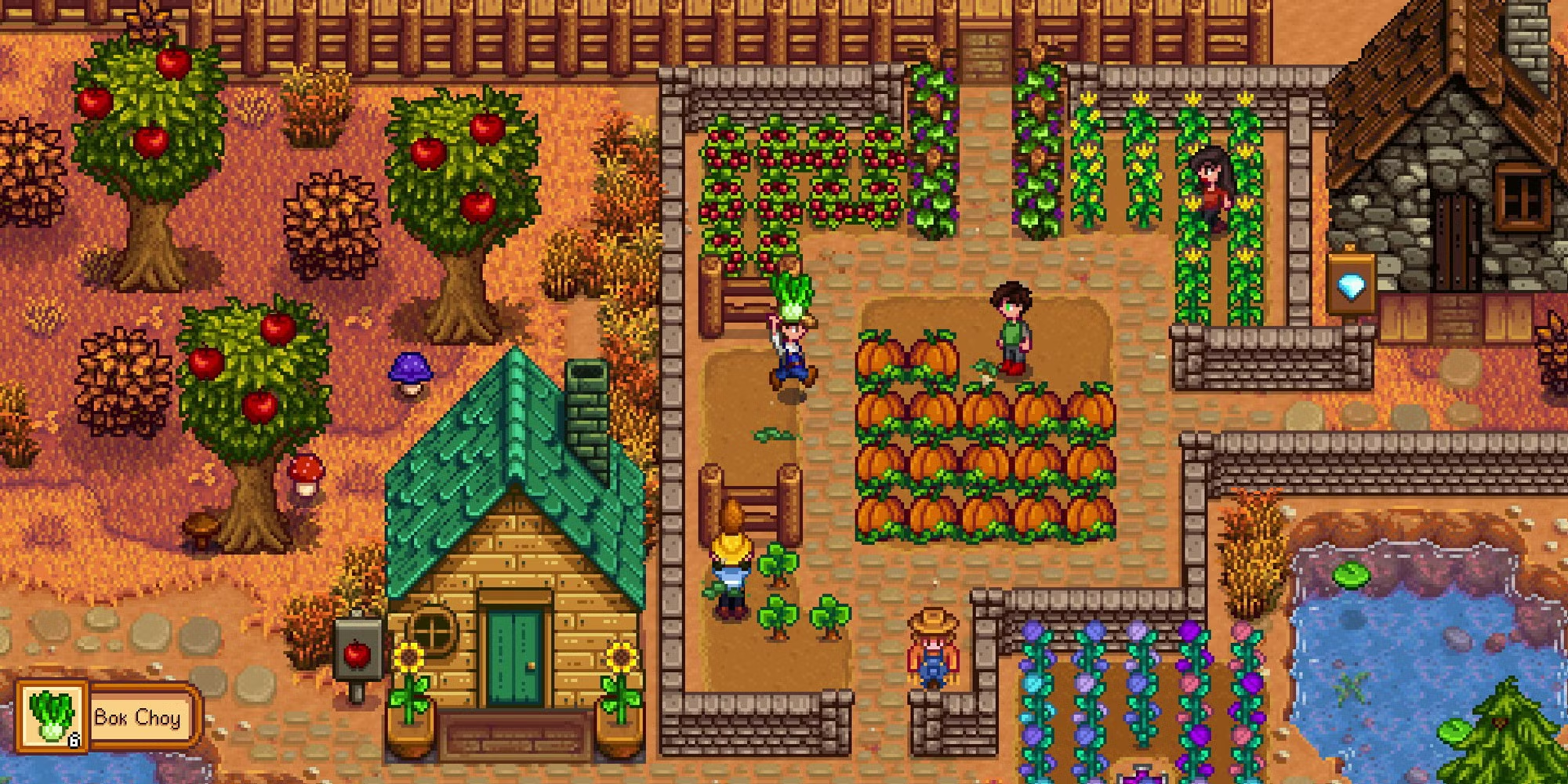
Crops are the primary income source in Stardew Valley, so maximizing profits should be a group priority. Coordinate which crops to plant each season and plan for high-value crops like strawberries, blueberries, or cranberries. Buying seeds in bulk can also save money.
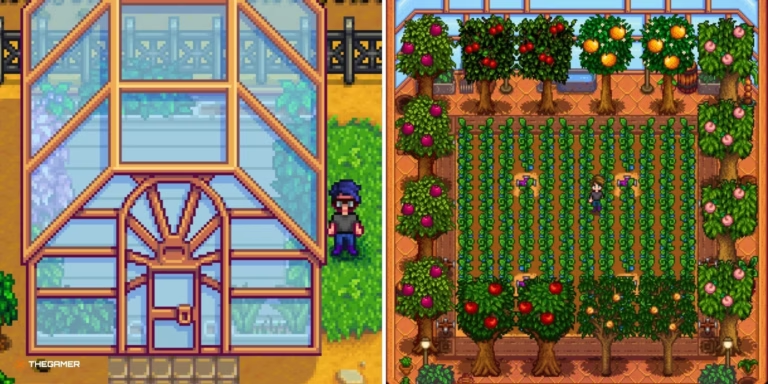
Stagger your planting and harvesting schedules to maintain a steady flow of income. Assign a player to handle the greenhouse once it’s unlocked for year-round crop production. Working together on crop planning ensures that your farm generates consistent profit while minimizing wasted time and effort.
Building and Managing Animal Barns
Animals add diversity to your farm income and provide useful products like milk, eggs, and wool. Assign one player to build and care for barns and coops. This includes feeding animals, collecting products, and petting them daily to keep them happy.
As your farm grows, consider upgrading barns and adding automated feeders to reduce daily chores. Selling animal products can bring steady income, and crafting artisan goods like cheese or mayonnaise increases profits even more. Teamwork makes managing animals much easier.
Exploring the Mines Efficiently
Mining is essential for obtaining ores and gems, which are needed for tool upgrades and crafting. Going into the mines as a team is safer and faster than going alone. Assign one or two players to focus on mining while others handle farm chores.
Coordinate mining days when everyone can support each other. Bring plenty of food, and split tasks like fighting monsters and collecting resources. With teamwork, you can progress through the mines quickly, unlocking valuable resources that benefit the entire farm.
Handling the Fishing Responsibilities
Fishing can be a relaxing and profitable side activity, and in coop mode, it’s even more effective. Assign one or two players to focus on fishing, especially in the early game when money is tight. They can provide a steady income and supply the farm with fish for cooking and bundles.
Fishers can also upgrade their rods and work on catching rare or legendary fish for extra profit. Having a dedicated fishing team member frees others to focus on crops and animals, creating a balanced income stream for the whole farm.
Completing Community Center Bundles as a Team
The Community Center bundles are a major goal in Stardew Valley, and completing them unlocks powerful rewards. In coop mode, divide the bundles among players based on their roles. For example, the miner can handle ore bundles while the farmer completes crop bundles.
Keep a shared checklist to track your progress. Coordinating your efforts saves time and prevents duplicate contributions. Completing bundles together strengthens team spirit and gives everyone a sense of shared achievement.
Using a Shared Wallet vs Separate Wallets
Stardew Valley offers the option of shared or separate wallets. A shared wallet pools all money together, which is convenient for big purchases but requires trust and communication. Separate wallets allow players to manage their own funds but can slow down collective progress.
Discuss with your team which system suits your playstyle. Many new players prefer a shared wallet because it simplifies farm upgrades and purchasing seeds. Whatever you choose, make sure everyone agrees to avoid conflicts over money.
Planning Farm Expansions
As your farm grows, you’ll want to expand with more buildings and upgraded facilities. Plan these expansions as a team to avoid resource shortages. Decide when to add barns, sheds, silos, and coops, and who will gather the needed materials.
Farm expansions can be costly, so coordinate saving money as a group. Prioritize upgrades that benefit everyone, like larger houses with kitchens or upgraded tool sheds. Careful planning ensures your farm develops smoothly without draining your resources.
Organizing Storage and Workflow
A well-organized farm saves time and prevents confusion. Designate specific areas for crops, animals, crafting stations, and storage chests. Use color-coded chests to sort items like seeds, minerals, and artisan goods.
Having a clear layout helps everyone know where things are and keeps daily routines efficient. Update your storage system as your farm grows to keep things running smoothly. Good organization is one of the simplest but most effective strategies for successful coop farming.
Managing Time and Energy Effectively
Time management is crucial in Stardew Valley, especially with multiple players. Avoid wasting in-game time by planning routes efficiently. For example, have one player water crops while another feeds animals and a third goes to town.
Energy management is equally important. Bring food when doing energy-heavy tasks like mining or chopping wood. Resting at the spa or eating cooked meals can help restore energy. Coordinating your time and energy as a team keeps productivity high every day.
Keeping the Game Fun and Collaborative
Above all, remember that coop farming is meant to be fun. Avoid being too strict with roles or demanding perfect efficiency. Let everyone try different tasks occasionally to keep things interesting. Celebrate milestones together, like finishing the first year or unlocking the greenhouse.
Good teamwork comes from communication and respect. Be patient with new players as they learn the game. When everyone feels included and valued, your farm will be both productive and enjoyable to run.
Conclusion
Stardew Valley coop mode offers a whole new way to experience the game, and with the right strategies, it can be incredibly rewarding. By dividing roles, managing resources, and planning as a team, you can build a thriving farm together. This Stardew Valley coop farming strategies review has shown how cooperation, organization, and communication can turn your multiplayer farm into a powerhouse of productivity and fun. Whether you’re growing crops, raising animals, or exploring the mines, working together makes every part of the game more exciting.
FAQs
Q: How many players can join a Stardew Valley coop farm?
A: Up to four players can join a coop farm, each with their own cabin.
Q: Can we switch roles during coop play?
A: Yes, players can change roles anytime to keep the game fresh and fun.
Q: Is a shared wallet better than separate wallets in coop?
A: A shared wallet is simpler for teamwork, but separate wallets give players personal control over their money.
Q: Do all players need to be online at the same time?
A: Only the host needs to be online to start the farm, but others can join when available.
Q: Can coop players get married in the game?
A: Yes, coop players can marry each other if they build strong relationships.
Q: How do we avoid running out of resources?
A: Organize shared storage and coordinate who collects which resources to prevent shortages.
Q: What’s the best farm layout for coop play?
A: The Four Corners farm is popular for coop because it gives each player their own area.
Q: Can we all work on the same Community Center bundles?
A: Yes, everyone can contribute items to bundles to complete them faster.
Q: How do we handle energy management in coop?
A: Plan tasks efficiently, bring food, and rest when needed to keep energy high.
Q: What if someone wants to play solo sometimes?
A: Players can work on their own cabins or individual tasks while others do group projects.
Explore further gaming updates and review at Erome.